Barrister Ndohmunang Nickson Mbimbui Explains Legal Limits on Noise Pollution by Churches in Cameroon
Barrister Ndohmunang Nickson Mbimbui says Cameroon’s legal framework can balance religious freedom with the need to prevent public nuisance
Tamfu Ciduan Ndimbie
Publisher · Kumba, Cameroon
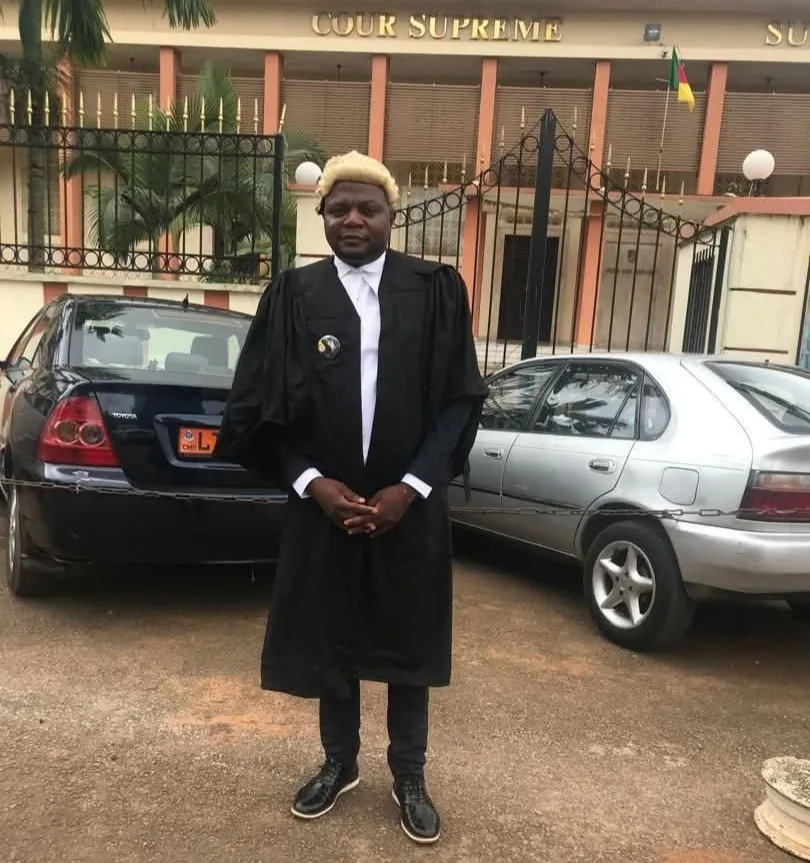
Barrister Ndohmunang Nickson Mbimbui (also known as Barrister Ndohmunang Nickson Bobe Boyo Fointama) is a human rights lawyer and advocate based in Kumba, Cameroon
Kumba, Cameroon — Barrister Ndohmunang Nickson Mbimbui has called for a balance between the constitutional right to freedom of worship and the rights of residents to live in an environment free from excessive noise pollution. Speaking to Pinnacle Times on the growing concerns over amplified sound from some Pentecostal churches, the legal practitioner said Cameroon’s existing legal framework is sufficient to address public nuisance without prohibiting religious activities.
“The proper legal position is not prohibiting churches, nor that residents should tolerate unlimited, amplified sound,” Barrister Ndohmunang said.
According to him, freedom of worship is constitutionally protected but is not absolute. He explained that while the Constitution guarantees freedom of worship, the manner in which religious activities are conducted remains subject to laws designed to protect public order, public health, the environment and the rights of other citizens.
Environmental law prohibits harmful noise Barrister Ndohmunang cited Section 60 of Law No. 96/12 of 5 August 1996 on Environmental Management, which prohibits noise emissions capable of harming human health, causing excessive inconvenience to neighbourhoods or damaging the environment.
He noted that the law also places an obligation on those responsible for excessive noise to take measures to suppress it and prevent or limit its propagation.
The lawyer further referred to Decree No. 2011/2583/PM of 23 August 2011 on Sound and Odor Pollution, describing it as a specific legal instrument designed to regulate situations involving excessive noise.
According to him, the decree considers factors including the intensity and duration of sound, particularly where it could affect public health or excessively interfere with people's enjoyment of their homes and property. “The decree consequently prohibits noisy activities or works that disturb the neighbourhood beyond the prescribed limit and period,” he explained.
Councils and law enforcement can intervene: Barrister Ndohmunang also pointed to the role of local councils and law enforcement authorities when noise pollution becomes serious.
He said that where the situation becomes alarming or significantly worsens, authorities can take measures against establishments responsible for the nuisance, including issuing warnings and, where necessary, taking steps that could lead to the sealing of churches. He stressed, however, that the objective should not be to stop churches from worshipping, but rather to ensure that religious activities are conducted within the limits prescribed by law. A growing urban concern.
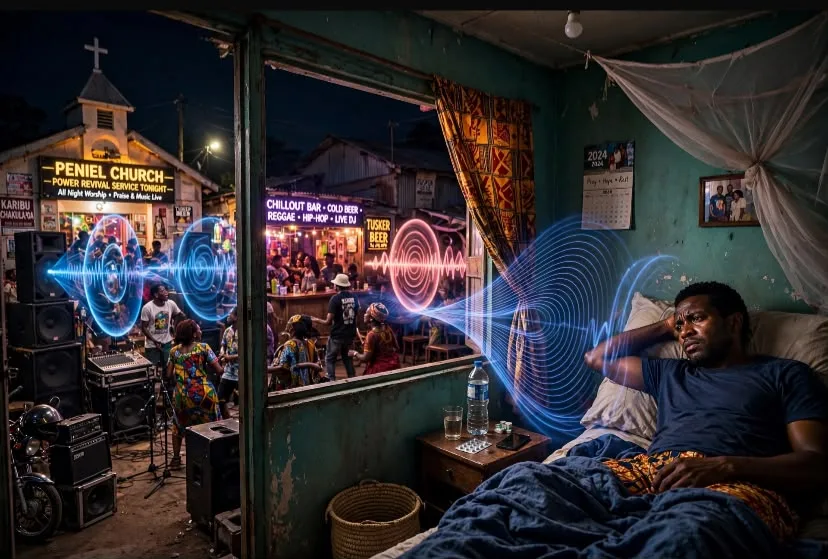
The lawyer described excessive noise associated with some Pentecostal gatherings as a nuisance that has become increasingly noticeable in Cameroon’s cities.
He argued that the country's lawmakers have already anticipated such challenges by putting in place legislation capable of balancing religious freedom with the rights of other members of society.
“The Cameroonian legislature has taken into consideration this nuisance that is rampant in our cities nowadays, being propagated by the Pentecostal churches,” Barrister Ndohmunang concluded.
The remarks come amid growing public debate over the use of loudspeakers, microphones and amplified music during church services, night vigils and other religious gatherings, particularly in densely populated neighbourhoods.
For residents, the legal question is therefore not whether churches have the right to worship, but how that right can be exercised without turning worship into excessive noise that infringes on the rights, health and peace of the surrounding community.

Reader comments
Comments are moderated to maintain a respectful, evidence-based conversation.
Amina R.
Clear context and strong sourcing.
David L.
The transparency section is especially helpful.