IGPCM liaison officer Calls for Investment in Dialogue, People and Trust as World Marks International Day of Peace.
He highlighted conflicts and humanitarian crises in Cameroon, Sudan, South Sudan, the DRC and Central African Republic as urgent reminders of the cost of war. He urged communities to invest in local dialogue, education, healthcare, justice and opportunities for young people rather than conflict economies.
Tamfu A. Tamfu
Journalist · Yaounde, Cameroon
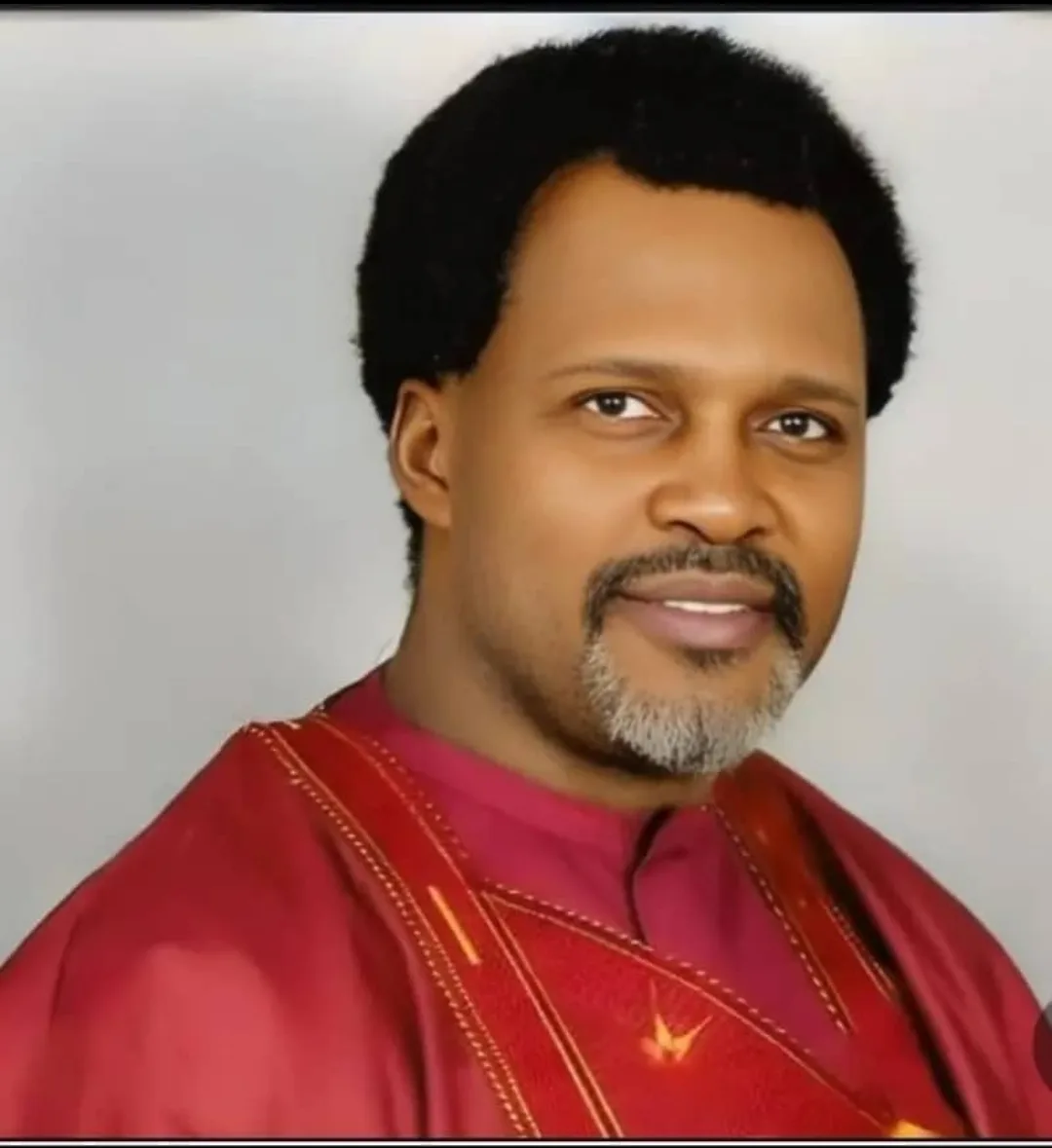
Dr. G.P.A. N.N. Richard, Liaison Officer for Central and East Africa at the Institute of Global Peace and Conflict Management (IGPCM)
Yaounde, Cameroon — The Institute of Global Peace and Conflict Management (IGPCM) has called on communities across Central and East Africa to move beyond symbolic observance of peace and make daily investments in dialogue, human development and trust.
The call was made by Dr. Richard NN, the IGPCM Liaison Officer for Central and East Africa, in an address to mark the International Day of Peace.
Addressing diplomats, youth leaders, women peacebuilders, traditional authorities and members of the Institute, Dr. Richard said the world pauses each year on 21st September, by UN Resolution, for a global ceasefire and non-violence, symbolized by the ringing of the Peace Bell in New York cast from coins donated by children in 60 countries.
He said this year's theme, "Invest in Peace - For Everyone, Everywhere, Every Day," is particularly urgent for the region.
"A region that knows the cost of war," he said, pointing to the continuing displacement in Cameroon's Far North, North-West and South-West regions, the protracted conflict in Eastern Democratic Republic of Congo, the humanitarian catastrophe in Sudan and South Sudan, and the slow rebuilding of community trust in the Central African Republic.
"The map of our region on this Peace Day reminds us that agreeing on a day costs nothing, but agreeing to put down a weapon costs courage," Dr. Richard said.
He argued that peace, as defined by the United Nations, is not only the absence of conflict but the presence of dialogue, dignity and cooperation, adding that for Central and East Africa it must rest on three practical investments.
First, investment in dialogue.
He said wars in the region start when listening stops and when youth are excluded and grievances over land, identity and resources have no platform. He urged support for local dialogue in chefferies, churches, mosques, market associations and schools, noting that "the most powerful peace agreement is often not signed in a foreign capital, but in a community hall in Buea, in Goma, in Bangui."
Second, investment in people, not war economies.
"You cannot build peace on an empty stomach and an empty classroom," he said, stressing that peace will remain fragile as long as young people in Douala or Bukavu see more opportunity in armed groups than in workshops or universities. Investing in peace, he said, means investing in clinics that serve everyone, schools that welcome every child, and courts that are fair to every citizen.
Third, investment in trust.
He described as the lowest currency in many communities today. He praised what the UN calls the "everyday architects of peace" - women mediating farmer-herder conflicts, moto-taxi union leaders stopping fights, and journalists refusing to publish hate speech - and said IGPCM's role is to find, train, connect and amplify them.
Dr. Richard closed with a challenge to participants to make one concrete investment in peace within 24 hours: listen to someone they disagree with without interrupting, share a story of peace from the region rather than violence, and mentor one young person vulnerable to radicalization.
"Peace is not a UN event. It is a daily decision," he said.
He reaffirmed IGPCM's commitment to building bridges where walls have been erected and to teaching conflict transformation where retaliation is taught.
𝑭𝒐𝒓 𝒎𝒐𝒓𝒆 𝒏𝒆𝒘𝒔 𝒖𝒑𝒅𝒂𝒕𝒆𝒔, 𝒄𝒐𝒗𝒆𝒓𝒂𝒈𝒆𝒔 𝒂𝒏𝒅 𝒂𝒅𝒗𝒆𝒓𝒕𝒊𝒔𝒆𝒎𝒆𝒏𝒕, 𝒄𝒐𝒏𝒕𝒂𝒄𝒕 𝒖𝒔 𝒐𝒏 676279249.
𝑾𝒆𝒃𝒔𝒊𝒕𝒆: www.pinnacletimes.news
𝑷𝒊𝒏𝒏𝒂𝒄𝒍𝒆 𝑻𝒊𝒎𝒆𝒔/𝑹𝒆𝒂𝒄𝒉𝒊𝒏𝒈 𝒕𝒉𝒆 𝑷𝒆𝒂𝒌 𝒐𝒇 𝑻𝒓𝒖𝒕𝒉.
Reader comments
Comments are moderated to maintain a respectful, evidence-based conversation.
Amina R.
Clear context and strong sourcing.
David L.
The transparency section is especially helpful.