Cameroonian Entrepreneur, Elias Kari Proposes Greater Use of Cameroon’s Military Engineers for Road Construction.
He says the country could invest in heavy equipment and mobilise local military and civilian engineers for priority projects. Kari cites infrastructure initiatives in Burkina Faso and Ghana as examples of state-supported engineering capacity.
Tamfu Ciduan Ndimbie
Publisher · Cameroon
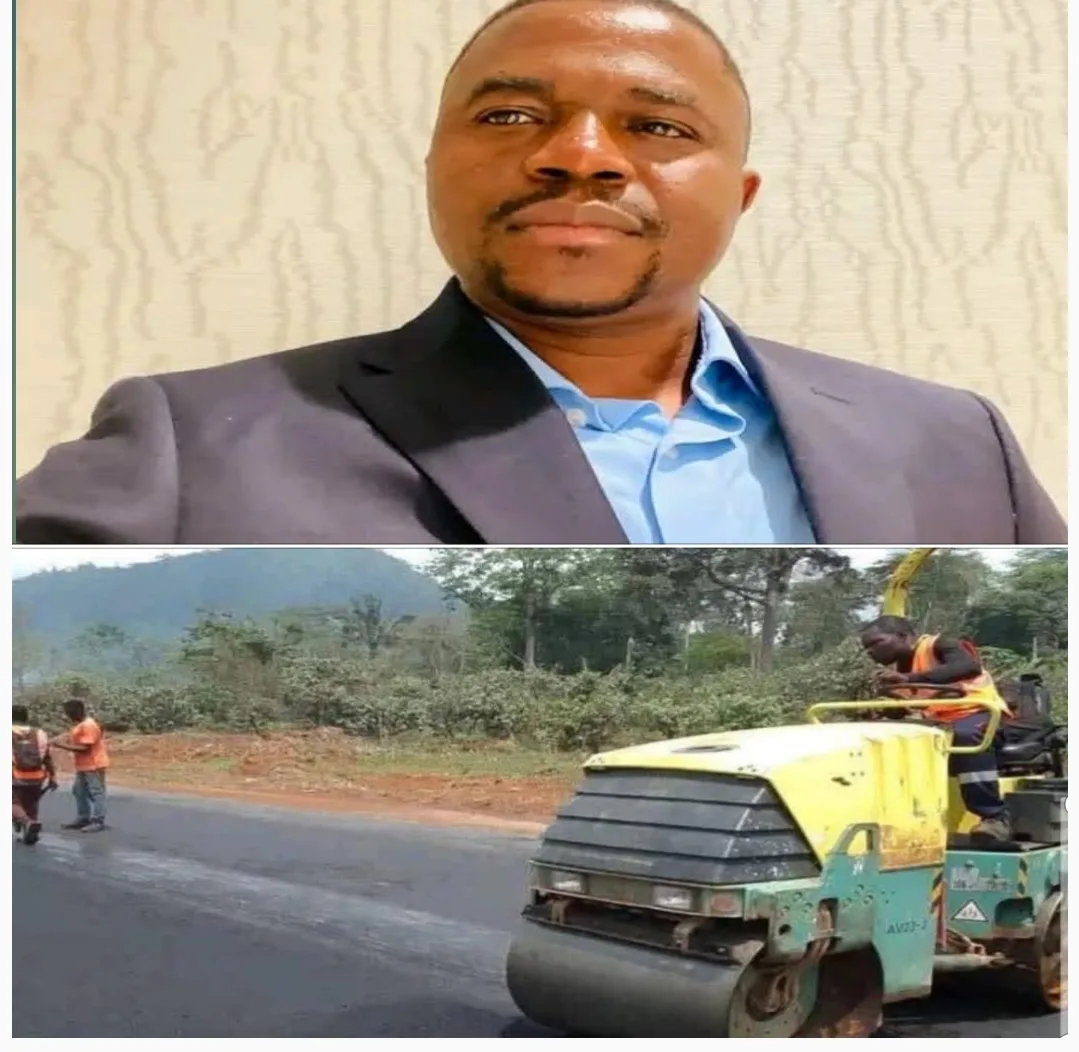
Elias Kari is a Cameroonian entrepreneur and social cretic based in Austin Texas
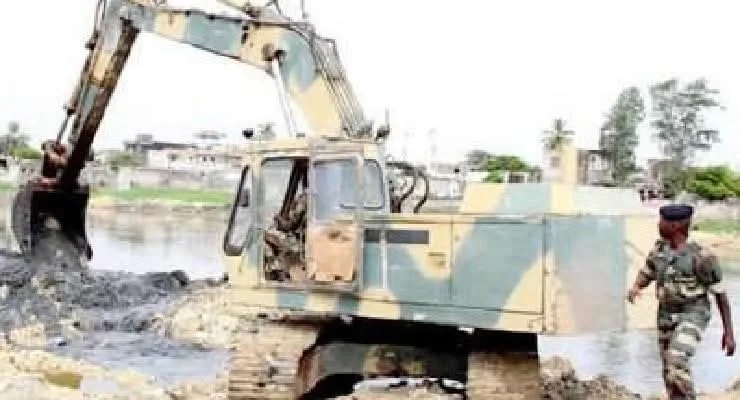
Cameroon — Elias Kari has called for Cameroon to make greater use of its Military Engineering Corps, Génie Militaire, in the construction and rehabilitation of public roads, citing recent infrastructure approaches adopted in Burkina Faso and Ghana.
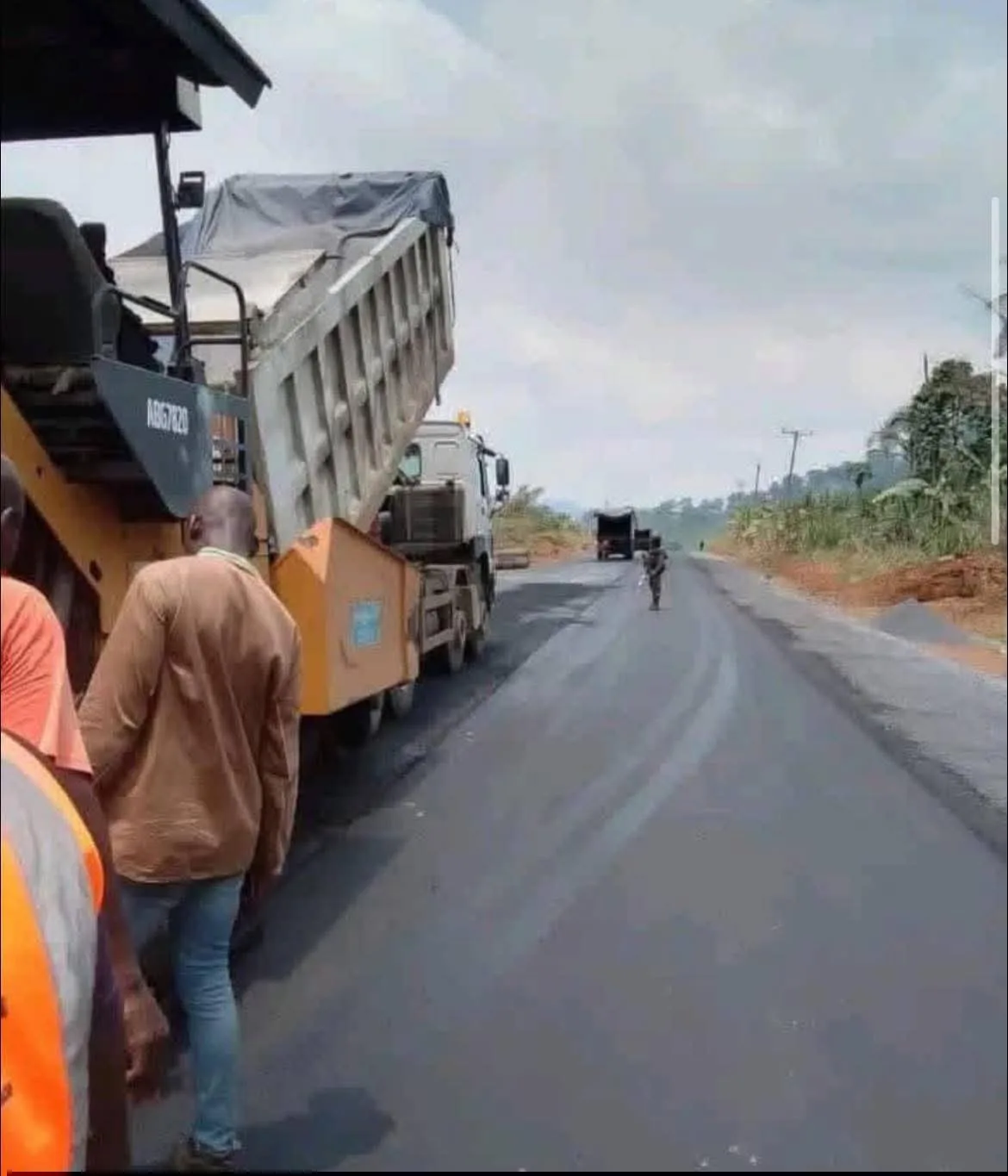
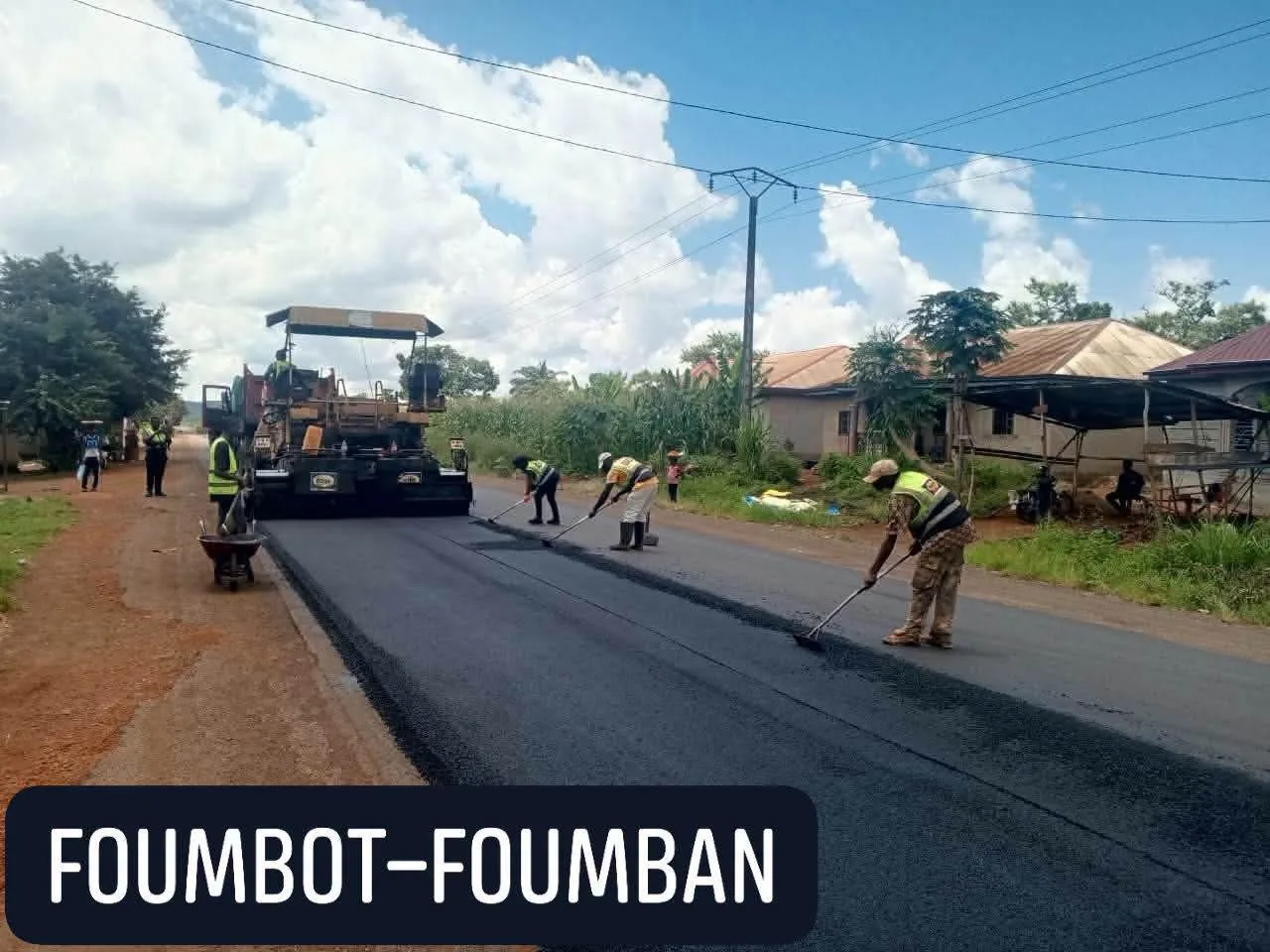
Kari argues that Cameroon could invest in heavy-duty construction equipment and mobilise local military and civilian engineers to undertake selected road projects, rather than relying exclusively on external contractors. He points to Burkina Faso’s Faso Mêbo initiative, where the government has invested in heavy machinery and deployed state engineering capacity for road construction and rehabilitation.
Elias Kari also cites Ghana’s use of military engineers on preparatory works for the Accra–Kumasi Expressway, arguing that the Ghanaian experience demonstrates how military engineering capabilities can support major national infrastructure projects.
According to Kari, Cameroon has historical precedent for strong direct government involvement in public works, particularly through the former Public Works Department (PWD) in the British Southern Cameroons, which was involved in road construction and maintenance.
Kari’s proposed model Under the framework:
MINTP would identify projects, prepare designs and establish technical standards. Génie Militaire would execute selected construction and rehabilitation works.
The government would finance the acquisition of heavy machinery.
Civilian engineers, technicians and private contractors could supplement military teams.
LABOGENIE and other competent institutions would provide independent inspection and quality control.
Completed roads would become part of the national road network and fall under the normal public-works maintenance system.
Kari says the objective would be to strengthen Cameroon’s domestic capacity to build and maintain its own infrastructure while creating greater opportunities for local engineers and technical workers.
“Buy the equipment and mobilise our local engineers to do the work.”
Kari’s proposal emphasises, drawing attention to what he considers a more state-driven approach to infrastructure development.
The proposal comes amid continuing concerns over the cost, pace and maintenance of road projects across Cameroon.
𝑭𝒐𝒓 𝒎𝒐𝒓𝒆 𝒏𝒆𝒘𝒔 𝒖𝒑𝒅𝒂𝒕𝒆𝒔, 𝒄𝒐𝒗𝒆𝒓𝒂𝒈𝒆𝒔 𝒂𝒏𝒅 𝒂𝒅𝒗𝒆𝒓𝒕𝒊𝒔𝒆𝒎𝒆𝒏𝒕, 𝒄𝒐𝒏𝒕𝒂𝒄𝒕 𝒖𝒔 𝒐𝒏 676279249.
𝑾𝒆𝒃𝒔𝒊𝒕𝒆: www.pinnacletimes.news
𝑷𝒊𝒏𝒏𝒂𝒄𝒍𝒆 𝑻𝒊𝒎𝒆𝒔/𝑹𝒆𝒂𝒄𝒉𝒊𝒏𝒈 𝒕𝒉𝒆 𝑷𝒆𝒂𝒌 𝒐𝒇 𝑻𝒓𝒖𝒕𝒉.
Reader comments
Comments are moderated to maintain a respectful, evidence-based conversation.
Amina R.
Clear context and strong sourcing.
David L.
The transparency section is especially helpful.