Killings of Spouses in Cameroon Spark Debate Over Homicide, Gender and Relationships.
Apst Dr. Njinkeng argues that these incidents should not automatically be classified as femicide or linked to feminism. He calls for a careful examination of the individual circumstances and motives behind each killing. The debate highlights broader concerns over human rights, gender-based violence and the protection of lives in Cameroon.
Tamfu Ciduan Ndimbie
Publisher · Kumba, Cameroon
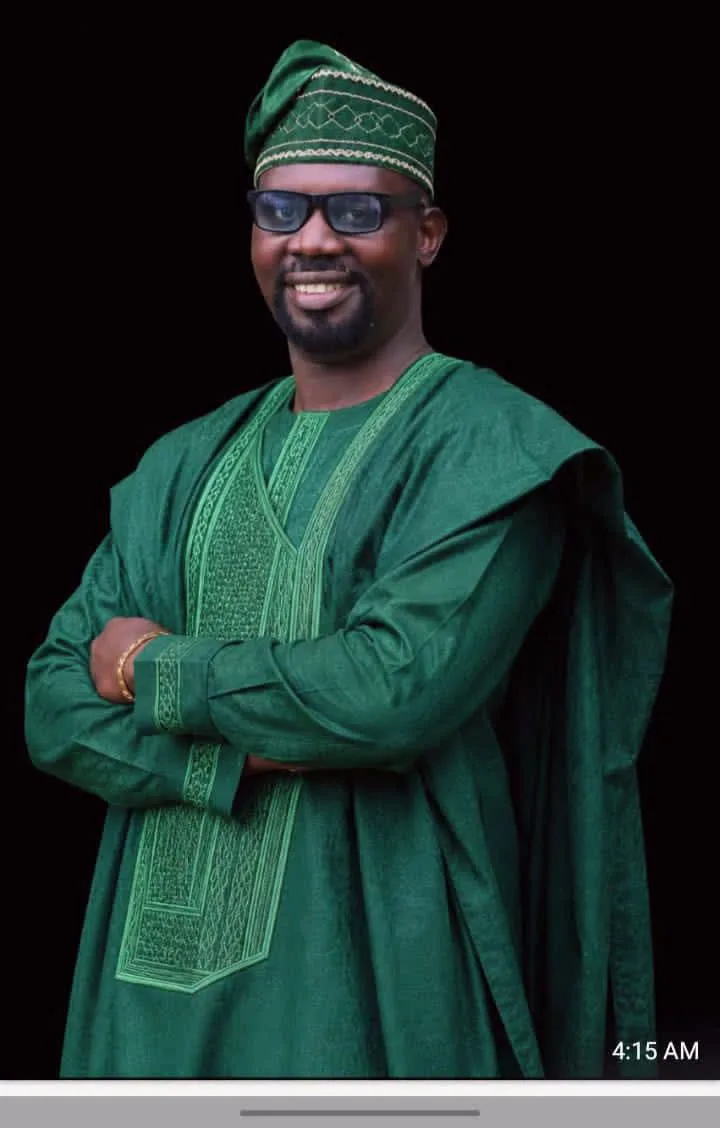
Kumba, Cameroon — The reported killings of several wives and girlfriends in Cameroon over the past month have triggered public concern and renewed debate over human rights, women’s rights, femicide, feminism and violence within intimate relationships.
In a commentary on the issue, Apst. Dr. Njinkeng Samuel, Lead Pastor and Psychosocial Counsellor, argues that the killings should primarily be understood through the lens of homicide and domestic violence, rather than automatically being classified as femicide.
Defination of terms
According to Apostle Dr. Njinkeng, femicide refers to the intentional killing of women or girls specifically because they are female. He argues that the circumstances surrounding recent killings in Cameroon should first be examined individually to establish the motive behind each death.
HOMICIDE: He defines homicide as the killing of one human being by another and maintains that killings occurring within relationships should not automatically be attributed to gender antagonism without evidence establishing that gender was the motive.
He also distinguishes feminism from what he describes as more confrontational gender ideologies.
FEMINISM: He defines feminism as the advocacy for social, political, legal and economic equality and says equality should be understood within the broader framework of human rights.
He further discusses concepts such as chauvinism and the so-called “alpha female”, warning against dominance and power struggles being imported into domestic relationships.
Gender roles and relationship conflicts.
Dr. Njinkeng identifies gender roles as one of the issues that, in his view, can contribute to tension in relationships.
He advocates for complementary responsibilities within marriage, describing men as traditionally assuming roles such as leadership, protection and provision, while women can serve as organisers, support systems and counsellors within the family.
However, he acknowledges that disagreements can arise when partners have fundamentally different expectations about authority and responsibilities in the home.
Domestic abuse.
Another major concern highlighted in his analysis is domestic and relationship abuse. Dr. Njinkeng says men can experience emotional, psychological, verbal and physical abuse from their partners, while women can also suffer violence and psychological abuse from male partners. He cautions against ignoring abuse simply because the victim is male or female, stressing that unhealthy relationships can escalate when abuse, manipulation and unresolved conflicts are allowed to continue.
He also argues that some couples require professional counselling or psychosocial intervention rather than simply informal advice.
Emotional intelligence as a tool for conflict prevention.
Dr. Njinkeng identifies emotional intelligence as another important factor in preventing violent confrontations. He highlights five competencies:
Self-awareness: Understanding one's emotions and reactions in difficult situations.
Self-regulation: Controlling emotional impulses and avoiding destructive reactions.
Self-motivation: Finding constructive reasons to preserve and improve relationships.
Empathy: Considering a partner's feelings and perspective before reacting.
Social skills: Developing the ability to establish, maintain and manage healthy relationships.
He says individuals experiencing intense conflict should consider stepping away from confrontations, seeking the support of trusted people and engaging in constructive dialogue rather than responding impulsively.
Respect and responsibility
Dr. Njinkeng concludes by calling for greater mutual respect within marriages and intimate relationships.
“A woman's mouth has not been given to wound and abuse, neither the man's muscles to beat, deform and kill,” he states.
He urges couples to seek counselling, exercise responsibility and learn healthy methods of resolving disagreements before conflicts escalate into violence.
The recent killings have nevertheless highlighted a broader national concern:
The need for stronger prevention of domestic violence, better access to psychosocial support, effective protection for victims and appropriate legal action against perpetrators.
Apst. Dr. Njinkeng is a Lead Pastor and Psychosocial Counsellor and Therapist. Contact him on +237675026705.

Reader comments
Comments are moderated to maintain a respectful, evidence-based conversation.
Amina R.
Clear context and strong sourcing.
David L.
The transparency section is especially helpful.