IDNet Cameroon SETS PRIORITY PROJECTS TO PROMOTE INCLUSION
Communities may discriminate against certain people or groups for several reasons, including lack of awareness, cultural beliefs, stereotypes, fear of difference, poverty, misinformation, and unequal access to power and resources. In the case of IDNet Cameroon, the organisation challenges this exclusion and promotes inclusion. Its focuses on persons with albinism, disadvantaged children and widows, reflects situations where people may be denied equal opportunities, protection, inheritance rights or participation in community life
Tamfu Ciduan Ndimbie
Publisher · Kumba, Cameroon
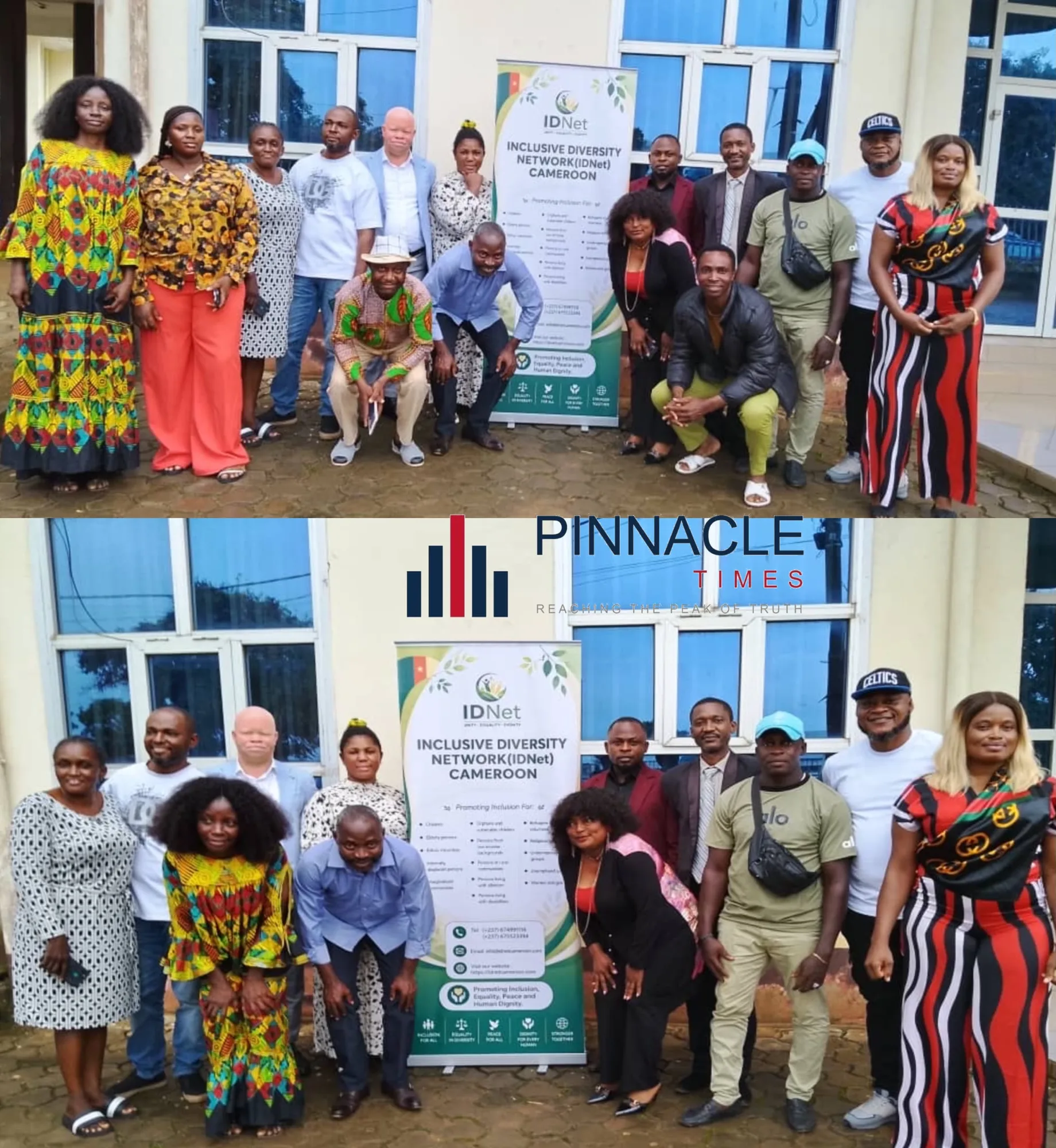
IDNet exco members, immediately after the strtegic meeting at Kumba I council
Kumba, Cameroon — On Sunday, 3 August 2026, the Executive Bureau of Inclusive Diversity Network (IDNet) Cameroon convened a strategic planning meeting to develop projects aimed at promoting social inclusion and addressing the persistent challenges of exclusion affecting vulnerable groups across Cameroon.
During the three-hour deliberation, the bureau carefully examined the social realities faced by different marginalised communities and proposed a range of interventions designed to foster equal opportunities, dignity and community participation. The discussions focused on groups that are often excluded from mainstream social, political and economic life such as children, widows, migrants, Persons with disabilities(PWDs), ethnic minorities, older persons, Persons with Albinism (PWAs), and people living with HIV and AIDS.
Following an extensive review of the organisation's current capacity, available resources and anticipated impact, the Executive Bureau unanimously resolved to prioritise three key intervention areas during the organisation's phase of operations. The Bureau agreed to focus on:
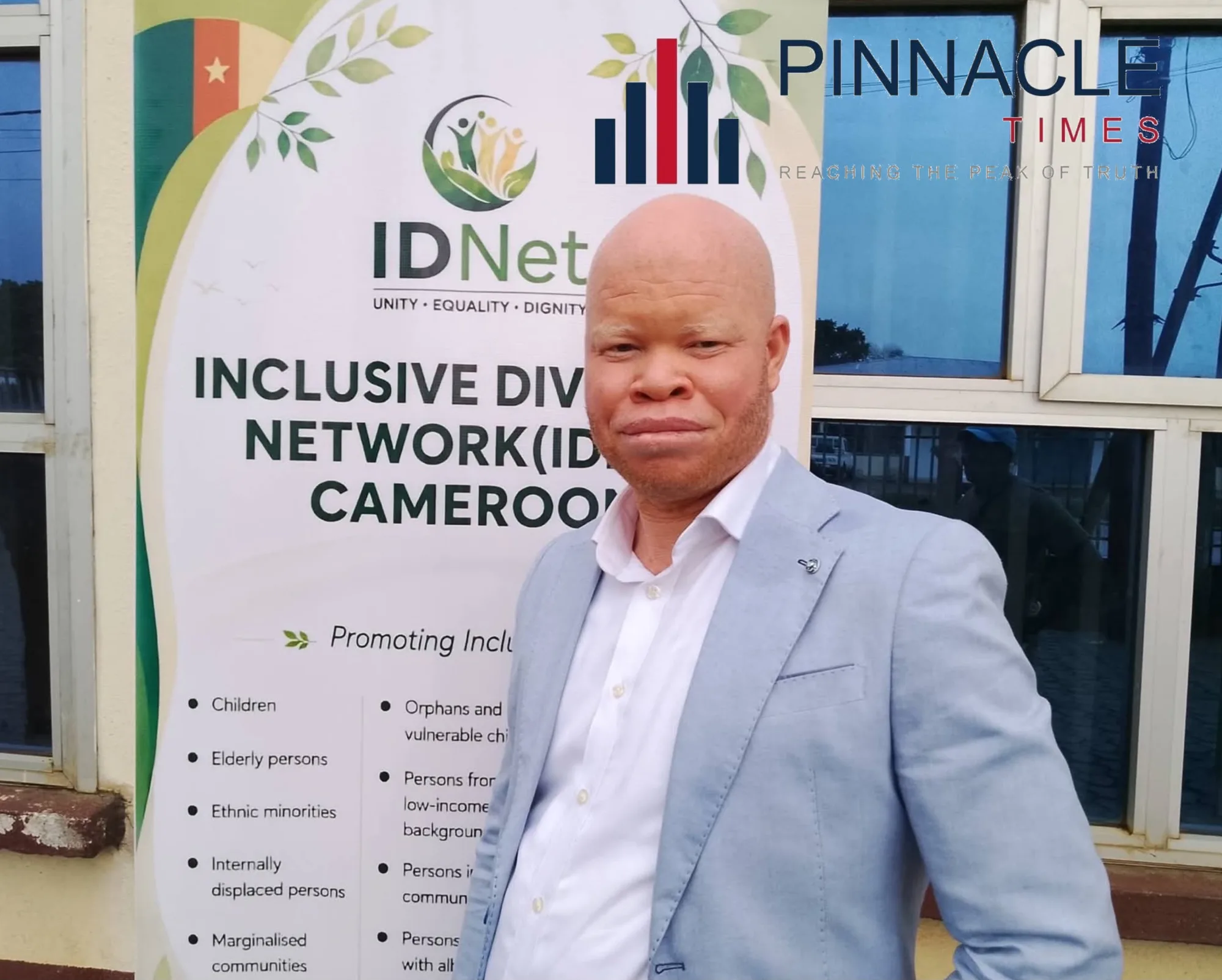
1. Promotion of the social inclusion, protection and empowerment of Persons with Albinism.
2. The advancement of disadvantaged children in rural communities through initiatives that improve their access to opportunities and essential services.
3. The support for widows who have been unlawfully deprived of their inheritance and property rights by advocating for justice, empowerment, and sustainable livelihoods through legal aid.
The organisation remains committed to collaborating with communities, public institutions, development partners, and other stakeholders to implement impactful and sustainable programmes that leave no one behind.
Reader comments
Comments are moderated to maintain a respectful, evidence-based conversation.
Amina R.
Clear context and strong sourcing.
David L.
The transparency section is especially helpful.